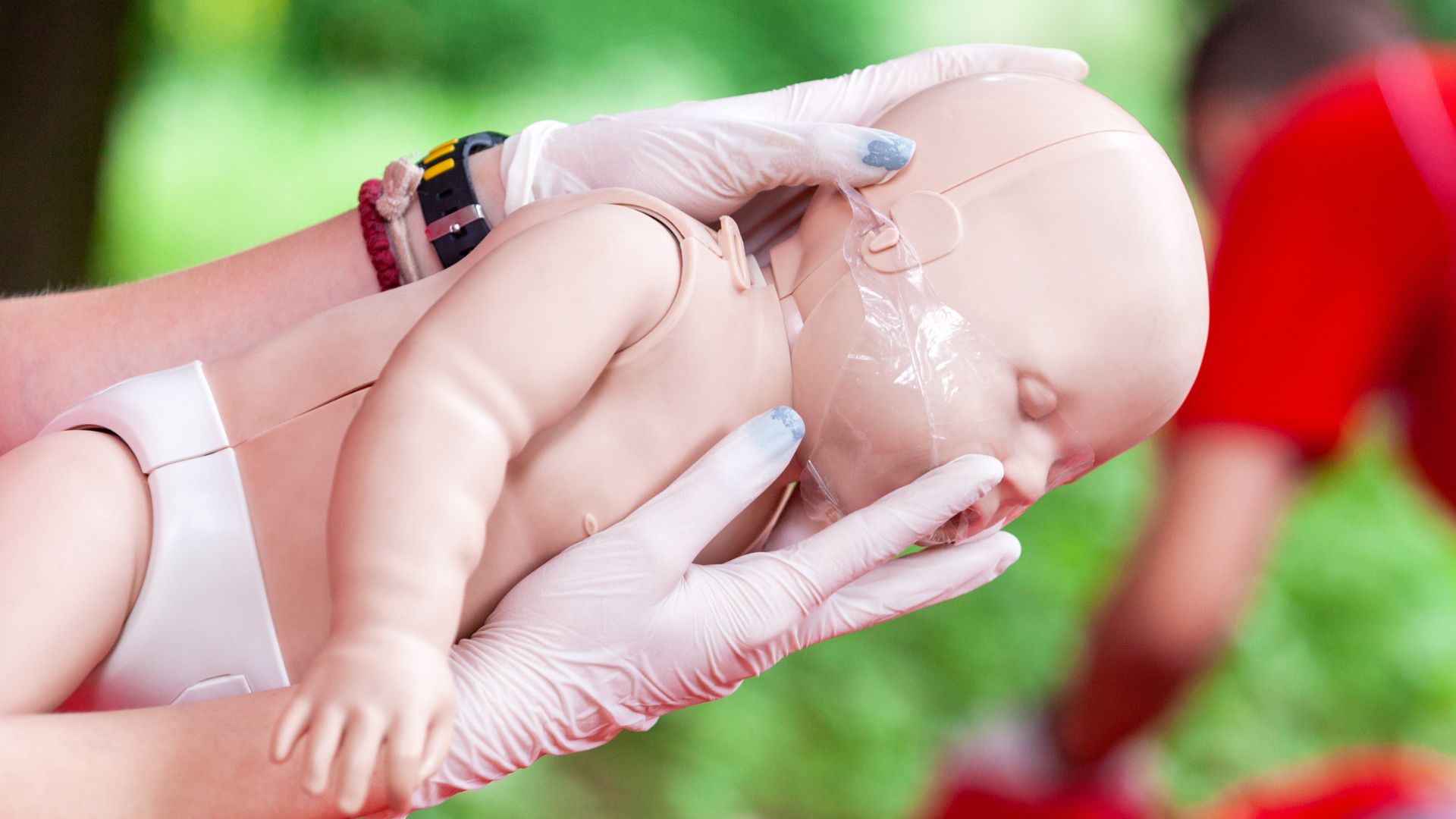
If you are a parent or caregiver in Tulsa, learning CPR Certification with a focus on infant CPR is one of the most important steps you can take to protect your child. In Green Country, where families spend time both at home and out in the community, being prepared for emergencies gives you the confidence to act quickly when every second matters.
Infants are especially vulnerable during emergencies. Their airways are smaller, their bodies are still developing, and their ability to communicate distress is limited. Because of this, parents are often the first to recognize when something is wrong. Having the right training ensures you can respond immediately and effectively.
Why Infant CPR Training Matters for Tulsa Parents
Tulsa is home to many growing families, and daily life often includes activities like visiting parks, attending gatherings, or simply managing busy routines at home. During these everyday moments, emergencies can happen without warning.
Infant CPR training prepares parents to take action right away instead of waiting for help to arrive. This can make a significant difference in outcomes, especially in situations involving breathing or cardiac issues.
Training also helps reduce fear. Many parents worry about what they would do in an emergency. Learning CPR replaces uncertainty with confidence and preparedness.
How Infant CPR Differs from Adult CPR
Infant CPR requires techniques that are specifically designed for smaller bodies. These differences are critical to understand and practice.
Key differences include:
- Using two fingers for chest compressions instead of both hands
- Applying gentler pressure
- Adjusting the depth and speed of compressions
- Delivering smaller, controlled rescue breaths
- Positioning the infant carefully to maintain an open airway
These adjustments ensure that CPR is performed safely and effectively for infants.
Recognizing When an Infant Needs CPR
Knowing when to act is one of the most important parts of CPR training. Parents learn how to recognize warning signs that indicate an emergency.
These signs include:
- Unresponsiveness
- No breathing or abnormal breathing
- Bluish or pale skin tone
- Lack of movement
- Weak or absent pulse
Recognizing these symptoms quickly allows parents to begin CPR without delay.
Basic Steps of Infant CPR
While hands-on training is essential, understanding the basic process can help reinforce what you learn.
Infant CPR typically involves:
- Checking for responsiveness and breathing
- Calling for emergency help
- Beginning chest compressions
- Delivering gentle rescue breaths
- Continuing cycles until help arrives
Practicing these steps during training helps build confidence and readiness.
How to Respond to Choking in Infants
Choking is one of the most common emergencies involving infants. Babies often explore the world with their mouths, which increases the risk.
CPR training includes specific techniques for choking, such as:
- Back blows
- Chest thrusts
- Recognizing the severity of the blockage
Knowing how to respond quickly can prevent a choking situation from becoming life-threatening.
The Importance of Hands-On Training
Hands-on training is a key part of learning CPR. Practicing on infant mannequins allows parents to understand the correct pressure, positioning, and timing.
This type of training helps:
- Build muscle memory
- Increase confidence
- Improve technique
- Prepare for real-life situations
For Tulsa parents, this preparation is essential for responding effectively.
Building Confidence as a Parent
CPR training does more than teach skills. It builds confidence. Parents who are trained feel more prepared to handle emergencies.
This confidence allows you to remain calm and focused, which is critical in high-pressure situations.
It also provides peace of mind, knowing that you are ready to protect your child if something happens.
When to Seek Emergency Medical Help
CPR is an important first step, but professional medical care is always necessary in serious situations.
Parents should call emergency services if:
- The infant is unresponsive
- Breathing is not normal
- A choking incident does not resolve
- There are signs of serious illness or injury
CPR helps stabilize the situation until help arrives.
How to Get CPR Certified in Tulsa
Getting certified is a simple process.
- Choose a CPR training program that includes infant CPR
- Select a class that fits your schedule
- Attend the training session
- Practice hands-on skills
- Receive certification upon completion
Many training centers in Tulsa offer flexible scheduling options.
CPR Certification Cost in Tulsa
The cost of CPR training can vary depending on the program. Most courses are affordable and provide significant value.
For parents, this is an investment in your child’s safety.
Why Every Caregiver Should Learn Infant CPR
Infant CPR training is not just for parents. Anyone who cares for a baby should consider getting certified.
This includes:
- Grandparents
- Babysitters
- Nannies
- Family members
Having multiple trained caregivers ensures that someone is always prepared to respond.
Creating a Safer Environment at Home
In addition to training, parents can take steps to reduce the risk of emergencies.
This includes:
- Keeping small objects out of reach
- Supervising feeding times
- Practicing safe sleep habits
- Childproofing the home
These measures help prevent incidents, while CPR training prepares you to respond if needed.
Why Preparation Makes a Difference
Emergencies are unpredictable, but preparation can make all the difference. Parents who are trained in CPR are more likely to respond quickly and effectively.
For families in Tulsa, taking the time to learn these skills is one of the most important decisions you can make.
Final Thoughts About Infant CPR Training in Tulsa
Caring for an infant means being prepared for anything. Emergencies can happen without warning, and the ability to respond quickly is critical.
Getting CPR Certification with a focus on infant care ensures that you are ready to protect your child when it matters most.
With accessible training options available in Tulsa, there is no reason to wait. Being prepared today helps create a safer future for your family.
CPR Certification FAQs
How long does CPR certification last?
CPR certification typically lasts for two years before renewal is required.
How long is an infant CPR class?
Most classes can be completed in a few hours during a single session.
Do parents need CPR certification?
It is not required, but it is strongly recommended for all parents and caregivers.
Can I get certified the same day?
Yes, many training programs offer same-day certification after completing the course.
Is infant CPR different from adult CPR?
Yes, infant CPR uses different techniques that are specifically designed for smaller bodies and require specialized training.