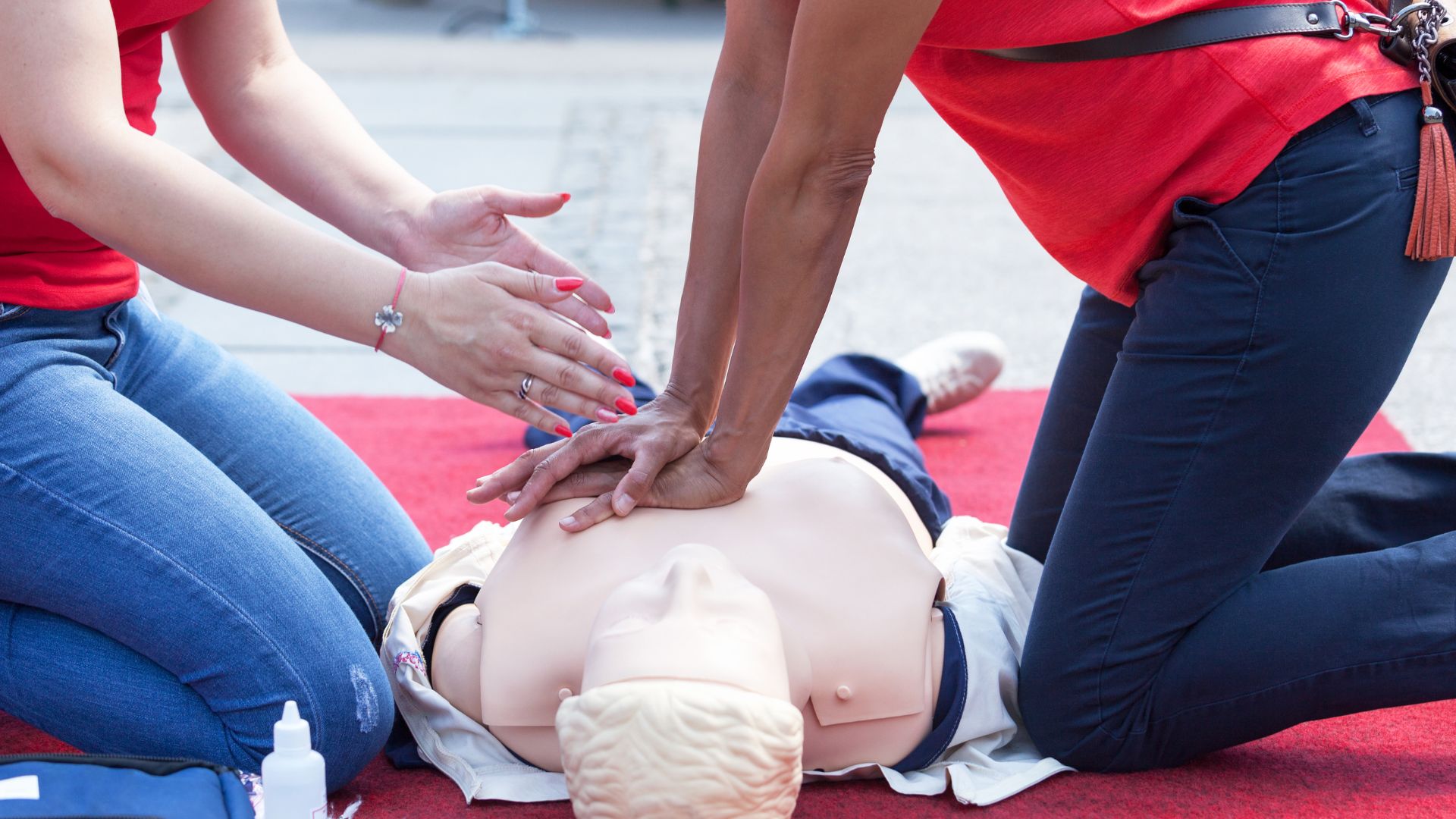
If you work in healthcare in Tulsa, you have likely heard of BLS certification. It is the foundation of life-saving care, teaching CPR, AED use, and basic emergency response. But for many professionals, BLS is only the beginning.
Advanced Life Support certifications like ACLS and PALS take those skills further, preparing providers to handle complex, high-risk medical emergencies. Understanding whether you need these certifications can directly impact your career, your responsibilities, and your ability to save lives.
For those starting with foundational skills, enrolling in an in-person CPR Certification course is the first step. But for many professionals in Tulsa, advancing beyond BLS is not optional. It is required.
Understanding the Difference: BLS vs ACLS vs PALS
Before deciding who needs advanced certifications, it is important to understand how these levels differ.
Basic Life Support focuses on:
- CPR for adults, children, and infants
- AED usage
- Recognizing life-threatening emergencies
Advanced certifications build on that foundation.
ACLS, or Advanced Cardiovascular Life Support, focuses on:
- Managing cardiac arrest and arrhythmias
- Advanced airway techniques
- Medication administration during emergencies
PALS, or Pediatric Advanced Life Support, focuses on:
- Emergency care for infants and children
- Respiratory failure and shock
- Pediatric-specific resuscitation techniques
In simple terms, BLS is the starting point, while ACLS and PALS are designed for professionals handling more complex situations.
Why Advanced Life Support Exists
BLS is designed to stabilize a patient in the early stages of an emergency. Advanced Life Support takes over when the situation becomes more critical.
ACLS and PALS include:
- Advanced monitoring of heart rhythms
- Use of IV medications
- Coordinated team-based resuscitation
- Decision-making in life-threatening conditions
These interventions require medical training and are typically performed in hospitals, emergency settings, or by advanced responders.
That is why not everyone needs these certifications, but for the right roles, they are essential.
Who Needs ACLS Certification in Tulsa
ACLS is primarily designed for healthcare professionals who manage adult patients in critical conditions.
Hospital-Based Medical Professionals
If you work in a hospital setting in Tulsa, ACLS is often required.
This includes:
- Physicians
- Registered nurses
- Nurse practitioners
- ICU and ER staff
ACLS is especially important in departments where cardiac emergencies are more likely to occur.
Emergency Medical Providers
First responders and emergency personnel often need ACLS training because they are responsible for advanced care in high-pressure situations.
This includes:
- Paramedics
- Advanced EMTs
- Emergency response teams
These professionals are trained to go beyond basic CPR and manage complex emergencies in real time.
Specialized Healthcare Roles
Certain specialties require ACLS because of the nature of their work.
These may include:
- Anesthesia providers
- Cardiology staff
- Critical care specialists
In these roles, advanced decision-making and intervention are part of daily responsibilities.
Who Needs PALS Certification in Tulsa
PALS is designed for healthcare providers who treat infants and children. It focuses on pediatric emergencies, which require different techniques and approaches than adult care.
Pediatric Healthcare Providers
If your work involves children, PALS is often required.
This includes:
- Pediatricians
- Pediatric nurses
- Neonatal and NICU staff
PALS prepares providers to recognize and respond to pediatric emergencies quickly and effectively.
Emergency and Critical Care Staff
Many emergency departments require PALS certification for staff who may treat children.
This includes:
- ER nurses and physicians
- Pediatric emergency specialists
- Critical care teams
PALS training emphasizes rapid assessment and intervention, which is critical in pediatric care.
Prehospital and EMS Providers
Emergency responders who may treat children in the field often need PALS certification.
This ensures they can:
- Recognize pediatric distress
- Provide appropriate interventions
- Stabilize patients before transport
PALS builds on BLS skills but adapts them specifically for younger patients.
When BLS Alone Is Not Enough
BLS is essential for many roles, but it has limitations. It focuses on immediate life-saving actions rather than long-term or advanced care.
Situations where BLS alone may not be enough include:
- Complex cardiac emergencies
- Severe respiratory failure
- Multi-system trauma
- Pediatric critical conditions
In these cases, advanced training is required to provide the next level of care.
ACLS and PALS fill that gap by teaching providers how to manage these situations effectively.
Why Healthcare Employers Require ACLS and PALS
Employers in Tulsa healthcare systems require advanced certifications for one main reason. Patient outcomes depend on it.
Advanced training ensures that providers can:
- Make rapid clinical decisions
- Work effectively in emergency teams
- Apply advanced interventions correctly
ACLS, for example, emphasizes team dynamics and communication during cardiac emergencies, which are critical for successful outcomes.
Without this training, providers may not be prepared to handle high-risk situations.
The Role of Team-Based Care
One of the biggest differences between BLS and advanced certifications is the focus on teamwork.
ACLS and PALS training emphasize:
- Coordinated roles during emergencies
- Clear communication among team members
- Leadership during resuscitation efforts
In real-life hospital settings, emergencies are rarely handled by one person. They involve coordinated teams working together under pressure.
Advanced training prepares providers for this reality.
Do All Healthcare Workers Need ACLS or PALS?
Not every healthcare role requires advanced certification. The need depends on your responsibilities and the type of patients you treat.
You likely do not need ACLS or PALS if you:
- Work in administrative healthcare roles
- Provide non-clinical support
- Do not respond to emergencies
However, if your role involves direct patient care in high-risk situations, advanced certification is often required.
Choosing the right certification depends on your career path.
How to Decide Which Certification You Need
The best way to determine whether you need ACLS or PALS is to consider three factors:
- The type of patients you work with
- Your level of responsibility in emergencies
- Your employer’s requirements
For example:
- Adult-focused roles often require ACLS
- Pediatric roles require PALS
- Many positions require both
In many cases, healthcare providers hold multiple certifications to cover all scenarios.
Why In-Person Training Is Critical for Advanced Certifications
Just like BLS, advanced life support training is most effective when completed in person.
This is because ACLS and PALS involve:
- Hands-on simulations
- Real-time decision-making
- Team-based scenarios
These are skills that cannot be fully learned online.
In-person training ensures:
- Proper technique
- Immediate feedback
- Real-world readiness
Starting with an in-person CPR Certification course builds the foundation needed to succeed in advanced training.
Career Benefits of ACLS and PALS Certification
Beyond meeting requirements, advanced certifications can open new career opportunities.
Benefits include:
- Access to higher-level positions
- Increased earning potential
- Greater responsibility in patient care
- Enhanced professional credibility
For many healthcare professionals in Tulsa, these certifications are a key step in career advancement.
The Importance of Staying Current
ACLS and PALS certifications are typically valid for two years. Regular renewal is required to stay up to date with the latest guidelines and practices.
This ensures that providers:
- Maintain their skills
- Stay aligned with current medical standards
- Continue delivering high-quality care
In a field where guidelines evolve, staying current is essential.
Building a Strong Foundation Before Advancing
Before pursuing ACLS or PALS, it is important to have a strong foundation in basic life support.
BLS training teaches:
- High-quality CPR
- Early recognition of emergencies
- Effective use of AEDs
These skills are the starting point for all advanced care.
Without a solid foundation, advanced training becomes much more difficult.
Final Thoughts on ACLS and PALS in Tulsa
Advanced life support certifications like ACLS and PALS are essential for healthcare professionals who handle high-risk emergencies. While BLS provides the foundation, these advanced courses prepare you to take the next step in patient care.
In Tulsa, the need for skilled, confident providers continues to grow. Whether you work in a hospital, emergency setting, or pediatric care, having the right certification ensures you are ready to respond when it matters most.
By starting with an in-person CPR Certification course and advancing as needed, you build the skills, confidence, and expertise required to make a real difference in critical moments.
Frequently Asked Questions About ACLS and PALS
What is the difference between ACLS and PALS?
ACLS focuses on adult cardiac emergencies, while PALS is designed for pediatric emergencies involving infants and children.
Do I need BLS before ACLS or PALS?
Yes, BLS provides the foundational skills that advanced certifications build upon.
Who should get ACLS certification?
Healthcare professionals working with adult patients in emergency or critical care settings typically need ACLS.
Who should get PALS certification?
Providers who treat infants and children, especially in emergency or critical care roles, need PALS.
Are ACLS and PALS required for all healthcare jobs?
No, they are only required for roles involving advanced patient care and emergency response.
How long are ACLS and PALS certifications valid?
Both certifications are typically valid for two years before renewal is required.