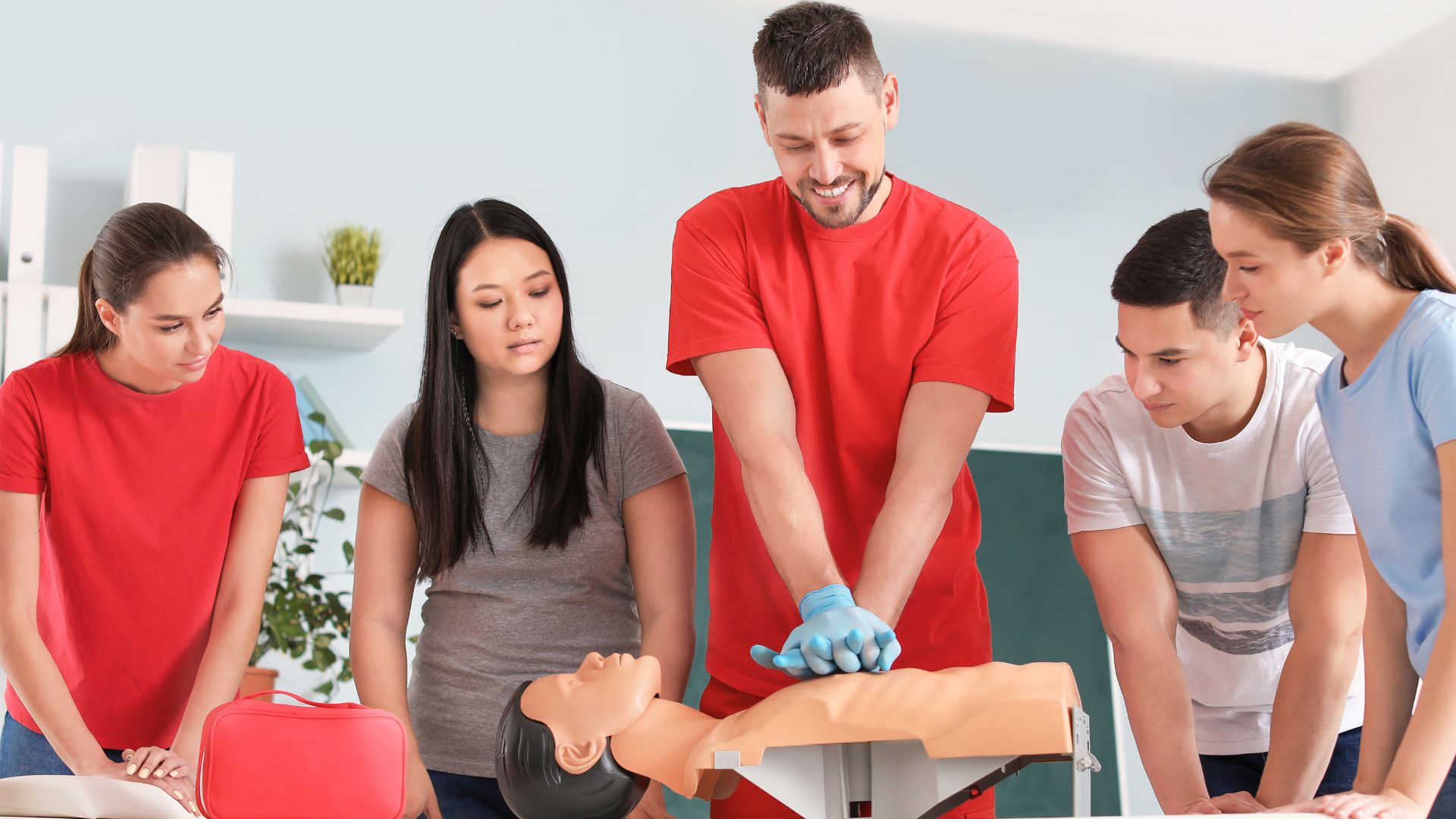
Teenagers are often capable, responsible, and present in many situations where emergencies can occur. From school activities and sports events to babysitting jobs and part time work, teens frequently find themselves supervising younger children or spending time in public environments. Teaching teenagers lifesaving skills early can make a powerful difference when emergencies happen. Learning CPR Certification equips teens with the knowledge and confidence to act quickly when someone experiences a cardiac or breathing emergency.
In growing communities like Tulsa, young people participate in a wide range of activities that place them around others who may need help during unexpected medical situations. Whether at school, a local park, or a community event, teenagers trained in CPR can become important responders when emergencies occur. Empowering teens with these skills not only helps protect lives but also builds responsibility and leadership within the community.
Training teenagers in CPR ensures that more people are prepared to respond during critical moments when immediate action is needed.
Why CPR Training Is Valuable for Teenagers
Many people assume that emergency response should be left only to adults or medical professionals. However, teenagers are often present when emergencies occur and may be the closest person available to provide help.
Teenagers may encounter situations such as:
- A family member experiencing a cardiac emergency
- A friend collapsing during sports practice
- A younger sibling choking during a meal
- Someone in a public space losing consciousness
In these moments, quick action can save lives. CPR helps maintain circulation and oxygen flow to the brain until emergency medical services arrive.
When teenagers complete CPR Certification, they learn how to recognize cardiac arrest, call for help, and begin chest compressions immediately. These skills help transform bystanders into capable responders who can assist during life threatening emergencies.
Building Confidence and Responsibility
Learning CPR provides teenagers with more than just technical knowledge. It also helps build confidence and a sense of responsibility.
When teens understand how to respond to emergencies, they feel more prepared to handle unexpected situations. Instead of feeling helpless or panicked, they can take calm and decisive action.
This training also reinforces leadership skills. Teenagers who learn CPR understand that they have the ability to help others in critical moments. This awareness encourages maturity and responsibility.
For many young people in Tulsa, CPR training can become an important step toward personal development and community involvement.
Teens Are Often First on the Scene
Emergencies can happen anywhere, and teenagers are frequently present when they do. Students spend much of their time in schools, sports facilities, recreation centers, and social environments where medical incidents can occur.
In some cases, teenagers may be the first people to notice when someone collapses or stops breathing. Immediate CPR can double or even triple survival chances during sudden cardiac arrest.
Because emergency responders may take several minutes to arrive, those first moments are extremely important. A teenager trained in CPR can begin lifesaving compressions right away while others call for help.
Teaching these skills increases the number of individuals in the community who are ready to respond during emergencies.
CPR Training Supports School and Community Safety
Many schools across the country have begun incorporating CPR training into their health education programs. Teaching students how to respond to emergencies helps build safer school environments.
Students who learn CPR can assist classmates, teachers, family members, or community members during emergencies. In some cases, CPR training is even required for high school graduation.
In Tulsa, expanding CPR education among teenagers helps strengthen community safety. When young people understand how to perform CPR and use emergency equipment, the chances of having a trained responder nearby increase.
Communities benefit greatly when more individuals are equipped with lifesaving skills.
Learning How to Use an AED
Many CPR training courses also include instruction on how to use automated external defibrillators. These portable devices are designed to analyze the heart’s rhythm and deliver a shock if needed to restore a normal heartbeat.
AED devices are commonly found in places such as schools, gyms, airports, and public buildings. During sudden cardiac arrest, using an AED along with CPR significantly improves survival chances.
Teenagers who complete CPR training learn how to recognize when an AED is needed and how to operate the device safely. AEDs are designed with voice prompts that guide the user through the process step by step.
Understanding how to use both CPR and AED equipment prepares teenagers to respond effectively during cardiac emergencies.
Preparing Teens for Real World Situations
Teenagers often begin taking on greater responsibility as they grow older. Many teens babysit younger children, participate in sports teams, or work part time jobs where they interact with others.
Having CPR training provides an added level of preparedness in these situations. A teenager who babysits younger siblings or neighborhood children may need to respond to choking or breathing emergencies.
Similarly, teens involved in athletics may witness injuries or health emergencies during games or practices. Knowing how to perform CPR can help them respond quickly while waiting for medical personnel.
Through CPR Certification, teenagers gain practical skills that prepare them for real world responsibilities and emergencies.
Encouraging Lifelong Safety Awareness
Learning CPR at a young age often leads to lifelong awareness about health and safety. Teenagers who receive training are more likely to maintain their certification as adults and continue developing emergency response skills.
Many healthcare professionals, teachers, coaches, and first responders first learned CPR when they were teenagers. Early exposure to these skills can inspire future careers in healthcare, emergency services, or public safety.
Even for those who pursue different career paths, CPR training provides valuable knowledge that can be used anywhere in life.
Teaching teenagers CPR helps create a culture where helping others during emergencies becomes a shared responsibility.
Strengthening the Tulsa Community
When more people are trained in CPR, communities become safer places to live and work. Teenagers represent an important group of potential responders because they are active in schools, sports programs, and community activities.
By encouraging young people in Tulsa to complete CPR training, communities increase the number of individuals who can respond during emergencies.
Public awareness campaigns and school programs that promote CPR education help ensure that lifesaving knowledge spreads throughout the community.
Training teenagers today helps build a future generation that is prepared, confident, and ready to help others when emergencies occur.
Final Thoughts on Training Teenagers in CPR Certification
Teaching teenagers lifesaving skills is one of the most valuable investments a community can make. Young people who complete CPR Certification gain the ability to recognize emergencies, perform chest compressions, and assist others during critical situations.
In Tulsa, where teens participate in schools, sports, and community events every day, CPR trained students help strengthen emergency preparedness throughout the city. Their ability to respond quickly during cardiac emergencies can make a life saving difference for friends, family members, and community members.
By encouraging teenagers to learn CPR, communities empower the next generation to act with confidence, responsibility, and compassion during emergencies.
Frequently Asked Questions
Can teenagers learn CPR?
Yes. Many CPR courses are designed for teenagers and teach lifesaving techniques in a way that is easy to understand and practice.
At what age can someone become CPR certified?
Many training programs allow students as young as middle school age to learn CPR, although age requirements may vary by provider.
Why should teenagers learn CPR?
Teenagers are often present during emergencies and may be the first people able to respond. Learning CPR allows them to provide lifesaving assistance until professionals arrive.
Do CPR courses for teens include AED training?
Yes. Most CPR courses include instruction on how to use automated external defibrillators along with chest compressions and breathing techniques.